This article was originally published October 29, 2024.
If you operate a business that serves alcohol, it’s important to protect it financially. So, you might be wondering, “How much is insurance for a bar?” This article answers that crucial question, explaining how to determine your bar insurance cost, what bar insurance covers, and why it’s essential.
Let’s dive into what every owner needs to know about bar insurance from THREE.
Cost-effective financial protection for bars.
When considering your bar insurance cost, keep in mind what having coverage protects you from. For bar owners, even minor incidents can lead to major expenses. Because there’s always a risk of being sued, suffering property damage, or employee injuries happening at your establishment, bar insurance is well worth the cost.
Imagine it’s a typical Friday night at your business, and a server spills some ice onto the floor. It’s only a few cubes and not worth the time and effort to hunt them down, so the employee keeps moving. Minutes later, a customer steps on one of the cubes, slips, and falls.
Their friend helps them up, and they continue to the exit—no big deal. The customer later learns they chipped a bone in their elbow and need surgery. They sue your business for more than $95,000 in medical costs and lost wages, claiming your server was negligent for not cleaning up the spill.
If they win, the judgment plus your legal defense costs will be well over $100,000. That's far more than a typical year of bar liability insurance. And the same risk is there every night you're open, so along with running your bar safely, insurance is essential.
Get a quote to check your bar insurance cost.
Every pub, tavern, or cocktail lounge is unique, so there’s no standard answer for the question, “How much is bar insurance?” Many factors will affect your bar insurance cost, including:
With THREE, you can easily get a quote online for your whole bar.
Separate policies from other providers may cost less than a THREE policy but can leave you exposed. Bringing your coverage together in one policy makes it easier to protect your business and can reduce the risk of gaps between separate policies.
What is Liquor Liability insurance?
If you own or operate a bar, you’ve probably heard of Liquor Liability Insurance. Also known in the insurance industry as Dram Shop Insurance, it protects businesses that sell, serve, or manufacture alcoholic beverages. This coverage can pay costs associated with legal claims and damages resulting from accidents or injuries caused by people who are intoxicated and were over served alcohol at the insured bar.
A THREE policy includes liquor liability coverage. That’s great for your business because it means you don’t have to purchase a separate liquor liability policy, which helps keep your bar insurance cost down.
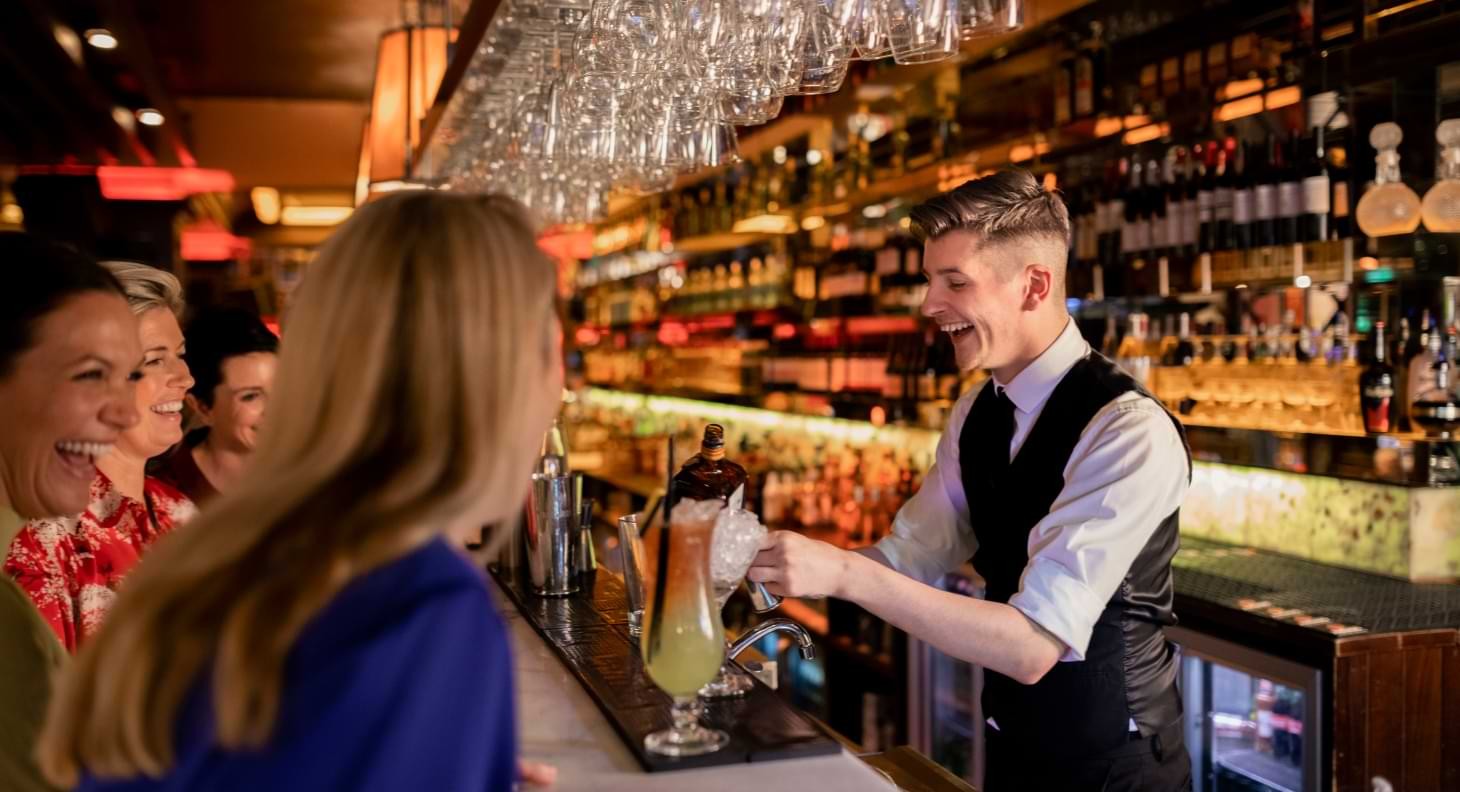
Types of coverage for bars.
From physical assets (like your building) to interactions among your staff and with customers, bar insurance from THREE has all the coverages most businesses need, including:
Property Insurance: If you experience a grease fire in your kitchen, a power outage that causes food spoilage, or a natural disaster that damages your building, costs from these incidents are typically covered.
Liquor Liability Insurance: As explained above, a THREE policy shields your business from costs related to lawsuits involving liquor service.
Cyber Insurance: Your business is protected from many expenses if a hacker steals sensitive data.
Workers’ Compensation Insurance: Employee injuries are common in bars. This coverage can pay costs related to medical treatment and a portion of lost wages if a person can’t work while recovering. It can also pay a death benefit to surviving family members if an employee dies from a work-related incident. States require most businesses with employees to have Workers’ Compensation Insurance.
Employment Practices Liability Insurance: This insurance protects your business from things like employee allegations of sexual harassment, discrimination, or wrongful termination.
Commercial Auto Insurance: If your business owns or leases vehicles (a van used for picking up supplies, for example), this coverage can pay for towing costs, collision repairs, and accident liability.
Is bar insurance required by law?
While specific requirements vary by state, Liquor Liability insurance is legally mandatory for nearly every establishment that sells or serves alcohol. Beyond that, other bar business insurance coverages like Workers' Compensation are often required as soon as you hire employees.
How do I get bar business insurance?
Having adequate bar insurance (what some people may refer to as bartender insurance) is essential. Especially if you’re opening a new establishment, arranging for insurance is a foundational step toward a professional launch. Many official processes, such as securing licenses, signing a commercial lease, and finalizing vendor agreements, require proof of insurance. Getting this in place early on helps establish your bar as a legitimate and compliant business.
Starting with a comprehensive policy that includes bar liability insurance, such as Liquor Liability, General Liability, and Property insurance, ensures your new bar is protected from day one. While the world of insurance can feel confusing at first, understanding how costs are calculated and what coverage you actually need sets you up to avoid common legal or financial missteps. This knowledge empowers you to make sound decisions for your business's future.
Ultimately, having the right protection in place allows you to focus on what matters most: launching your bar, serving your guests, and building your brand with confidence. With the significant risks of serving alcohol and welcoming the public properly addressed, you can operate with greater peace of mind.
How do I choose the best bar insurance?
Every owner needs bar insurance, but coverage becomes especially critical when managing establishments in multiple locations. For franchise operators and owners of multiple bars, managing insurance requires strategic oversight to ensure consistency, efficiency, and clear visibility of risk across your entire portfolio.
When you begin shopping for coverage, before asking, “How much does bar insurance cost?” look for a reliable business insurance provider that can handle the complexities of a scaled business. Learn whether they have a proven claims process, as that can be crucial if you experience an incident.
It is also important to understand the big picture behind your premiums and why costs might vary between venues due to factors like local claim trends, sales volume, or individual store layouts. A clear breakdown of these costs helps you budget more accurately and avoid financial surprises. You should also research an insurer's background to confirm they have experience supporting multi-location businesses.
By have a single, clear policy that covers all of your operations, you can standardize safety protocols, employee training, and incident reporting processes across the board. This consistent approach not only helps reduce overall exposure but can also strengthen your position with an insurer. With the right insurance strategy in place, you can pursue expansion into new markets or add venues to your group with the assurance that your business is properly protected.
Operating a bar can be fun and rewarding. It can also be stressful if you don’t have business insurance you can count on. We make it easy to get the coverage you need by providing a single policy that addresses the risks bar owners typically face.
If you have questions about bar insurance, we’re happy to answer them. Please don't hesitate to contact us at 1-800-507-4495, Mon. - Fri. 8am-8pm ET if you need assistance.

About the Author
Josh Sklar
Product Marketing Lead
Josh Sklar is a Product Marketing Lead at THREE by Berkshire Hathaway, where he leads brand strategy, positioning, content, and go-to-market strategies. He has spent most of his career at the intersection of insurance and marketing, helping to redefine commercial insurance for both agents and businesses.